Electing the Supremes
Plus an interesting DUI vote and some recommended reading


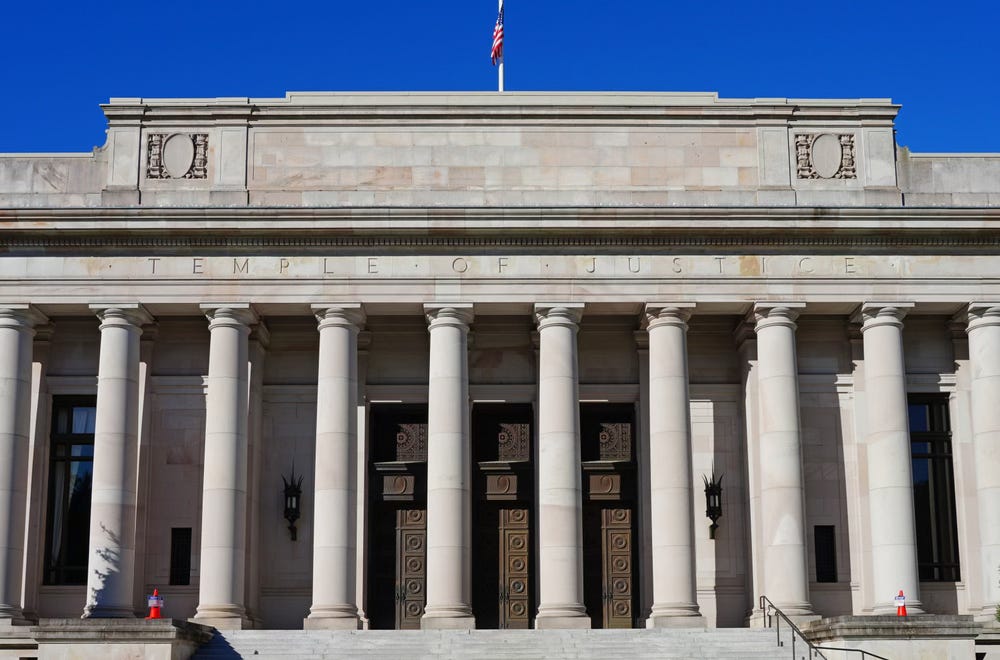
November seems like a long way off, but not for a bunch of ambitious judges who have already filed campaign paperwork for what shapes up to be the busiest state Supreme Court campaign season in a while.
Justice Raquel Montoya-Lewis surprised the political class by announcing this week she’s stepping down. Unlike Justice Mary Yu (and Montoya-Lewis’ predecessor, and many other justices before her), she didn’t tap out mid-term and give Gov. Bob Ferguson a chance to appoint a successor. That gift to the state’s run of Democratic governors has helped tilt the court left, because appointed justices very rarely lose at the ballot box.
Montoya-Lewis’ departure, combined with Justice Charles Johnson’s mandatory retirement, gives Washington voters a rare chance to pick brand-new justices. (Yu’s replacement, Colleen Melody, and incumbent chief Justice Debra Stephens are also on the ballot, but history tells us they likely won’t face fierce competition.)
Judicial races are technically nonpartisan, intoning their impartial application of the law. But there is also a wink-and-a-nod element to judicial campaigns that telegraph their political inclinations, typically with endorsements. A political consultant who has worked on such campaigns joked that nine out of 10 voters say they want impartial judges, and nine out of 10 voters want to know a judge’s party preference.